
European cars like BMW, Mercedes, Audi, and Volkswagen are engineered for smooth German autobahns — not the pothole-filled streets of Dar es Salaam. The suspension and steering geometry on these vehicles is precise, and even small impacts can knock them out of alignment over time.
Why alignment matters more than people think
When your wheels aren't aligned correctly, three things happen: your tyres wear unevenly (often only lasting half their expected life), your steering pulls to one side, and your fuel economy drops because the car is fighting itself on every journey. On European cars with wider, premium tyres, a new set can cost several million shillings — so a few hours spent checking alignment pays for itself many times over.
The suspension components most at risk
The usual suspects on ageing European cars in Tanzania are:
What regular checks involve
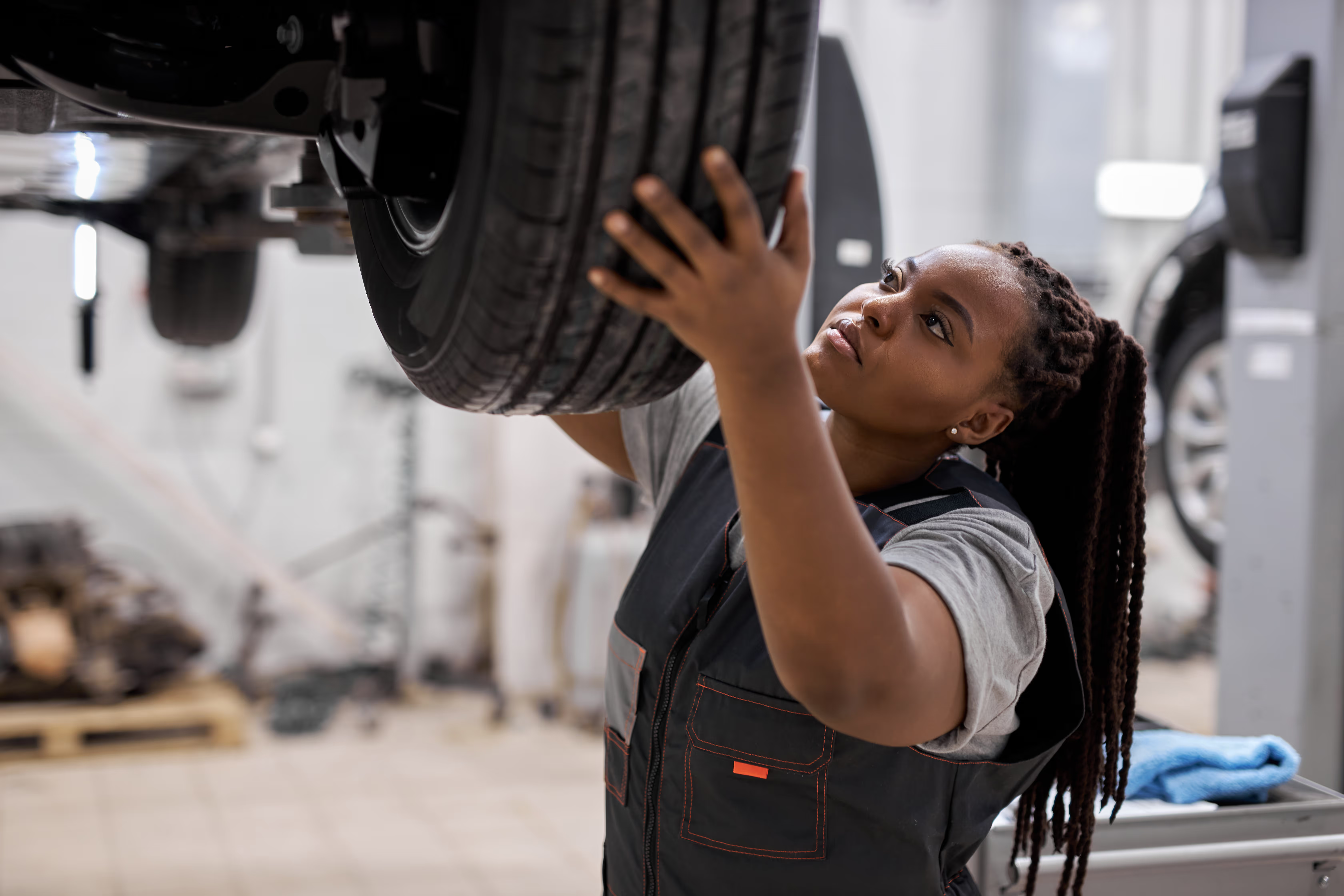
A proper suspension inspection means lifting the car, checking each component by hand for play, and road-testing for symptoms. At Diana Automotive, we document what we find and explain which issues are urgent versus which can be monitored.
How often should you check?
For European cars driven in Tanzania, we recommend a suspension inspection every 10,000 km or every time you change tyres — whichever comes first. If you hear any knocking, clunking, or feel wandering steering, don't wait.
Early intervention keeps a 200,000-shilling bushing from becoming a 2-million-shilling rebuild.
