
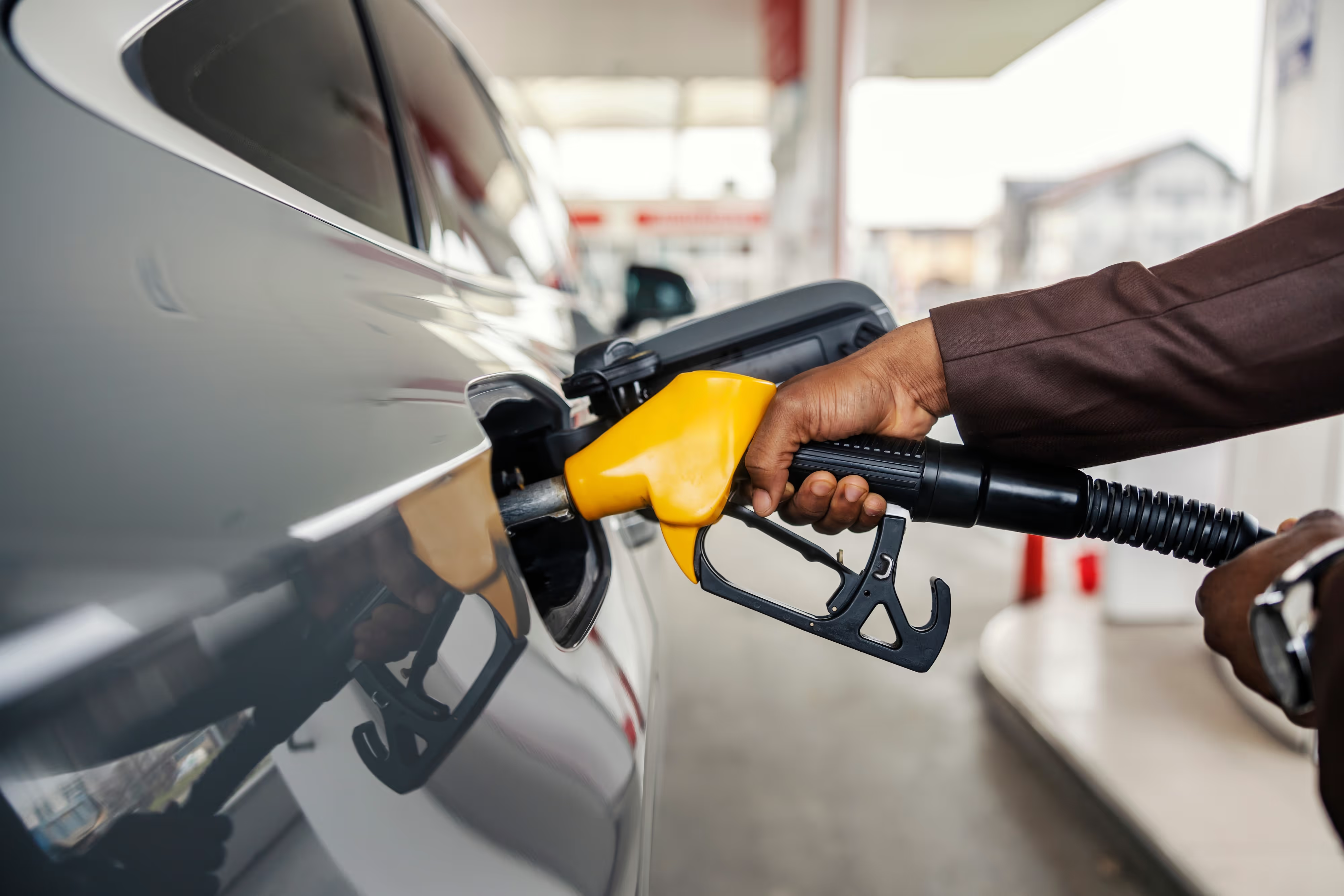
European cars are generally efficient by design, but several factors can quietly drop your fuel economy by 15–25% without you noticing. The good news: most are easy and cheap to fix.
Check your tyre pressure monthly
Underinflated tyres are the single biggest fuel economy killer. A tyre running 20% below the recommended pressure can increase fuel consumption by up to 10%. On a BMW, Mercedes, or Audi, the correct pressure is listed on a sticker inside the driver's door — not on the tyre sidewall (that's the maximum, not the recommended).
Clean or replace your air filter
A clogged air filter restricts airflow to the engine, forcing it to burn more fuel for the same power. Tanzania's dusty conditions mean European car air filters often need replacement more frequently than the manufacturer schedule suggests — typically every 15,000–20,000 km rather than 30,000.
Use the correct engine oil specification
This is where many garages get it wrong. A BMW N47 diesel needs BMW Longlife-04 specification oil — using the wrong viscosity or grade increases internal friction and fuel use. Mercedes has MB 229.x specifications, and VW/Audi use their own VW numbers. Always match the factory spec.
Address that "Check Engine" light
A faulty oxygen sensor alone can reduce fuel economy by up to 15%. Dirty fuel injectors, a failing thermostat stuck open, or a bad mass airflow sensor all quietly waste fuel. European cars have sophisticated diagnostics — a proper scan can identify these in minutes.
Lose the weight
Carrying 50 kg of unnecessary items in your boot increases fuel consumption by roughly 2%. Roof racks and roof boxes are even worse, adding aerodynamic drag — remove them when not in use.
Drive smoothly
Aggressive acceleration and hard braking can increase fuel consumption by 30% or more. European cars with turbocharged engines are especially sensitive to this. Anticipate traffic, coast to stops, and keep revs moderate on diesels.
Get your diesel's DPF and EGR checked
On diesel BMWs and Mercedes, a partially blocked Diesel Particulate Filter or a failing EGR valve reduces performance and economy significantly. These are specialist jobs worth addressing before they become expensive failures.
Small habits and regular servicing can easily give you 2–3 km per litre more — that adds up quickly over a year of driving.
