
A BMW X3 weighs around 1,800 kg. A Mercedes E-Class is similar. These are heavy, fast cars that need powerful braking systems — and those systems wear faster than most owners realise, especially in stop-start city driving like Dar es Salaam.
Why European brakes are different
Most European cars use large vented discs, multi-piston calipers, and soft organic pads designed for responsive stopping. The trade-off is that these pads wear faster than the harder pads used on many Japanese cars. It's normal to need new front pads every 25,000–40,000 km, and discs roughly every second pad change.
The warning signs
What's often missed: brake fluid
Brake fluid absorbs water over time. After 2–3 years, its boiling point drops, and under hard braking the fluid can boil — causing the pedal to go soft right when you need it most. European manufacturers recommend brake fluid replacement every 2 years regardless of mileage. Most garages never mention this.
Why OEM-quality pads matter
Cheap aftermarket pads may save money upfront but wear your discs faster, produce more dust, and have inconsistent stopping performance. Trusted brands like ATE, Bosch, Textar, and Meyle cost a little more but last longer and perform closer to factory specification.
Our approach
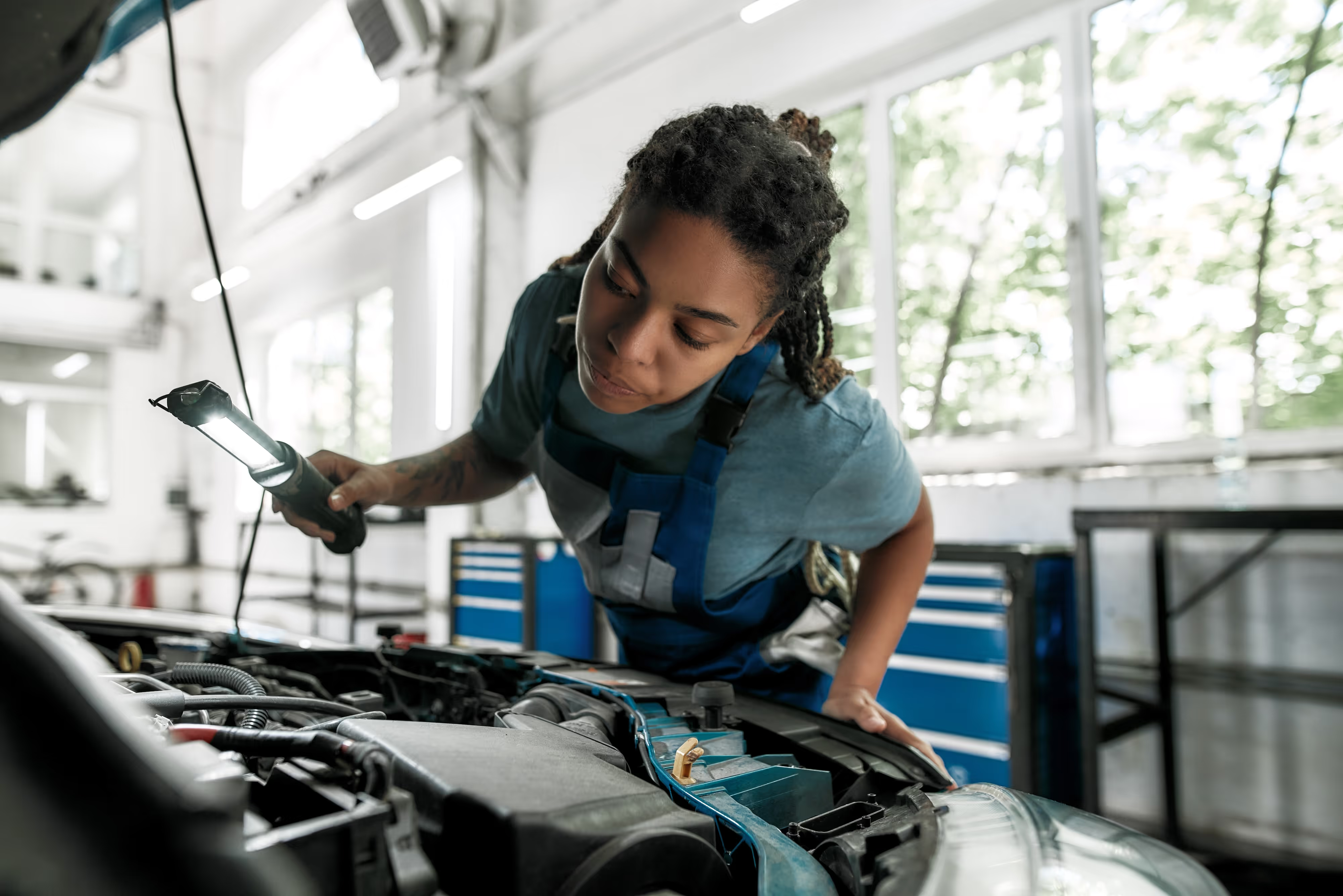
At Diana Automotive, a brake inspection includes measuring pad thickness, checking disc condition and thickness, testing brake fluid moisture content, and inspecting calipers and lines. We quote in full before any work, and only recommend what's actually needed.
Your brakes are the only thing between you and the car in front. Don't wait for a warning light.
